
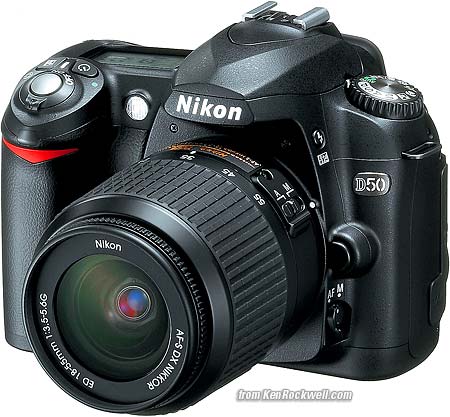
The better the quality, the better, digital cameras just about do the trick, but I use a Nikon D50 seen above, even this isn't ideal for the job, but you really want to be animating in as close to HD as possible. Also get the largest capacity memory card you can find to save you having to delete photos constantly
2. Software of some sorts
I use Pro-animate on the Apple Macs at my school, Windows movie maker at home (I will show you how to produce stop-motion movies on windows movie maker in a later post). There are many available, often for free.
3. Something to animate with
Most things will do, I use plasticine generally, but playing cards, pens, even people can work well.
3.5. Somewhere to animate
A flat surface with a still background with no people wandering around, or with a plain, coloured sheet of card/paper as a background
4. Imagination
In order to animate, one needs an adaptive imagination, when making, say, a flippable spider walk around a desk, you need to allow it crawl over things in the easiest way possible, forcing an idea thats not going to work will leave you angry with a broken model.
5. Patience
Animations can take from 10 minutes up to weeks to create, so be patient and prepared to take literally thousands of photographs.
Other things to consider:
Lighting: Make sure light doesn't change during the animation, easily achieved using a camera flash or lamp, with closed curtains.
Camera Position: make sure the camera isn't constantly moving from shot to shot by using a tripod or setting it on any steady, flat surface.
Thats about it.... Have fun animating!
